
Gold Coast's Leading APD Specialists

Providing Auditory Processing Disorder Assessments & Treatment for Adults and Children

APD Kai 4x3
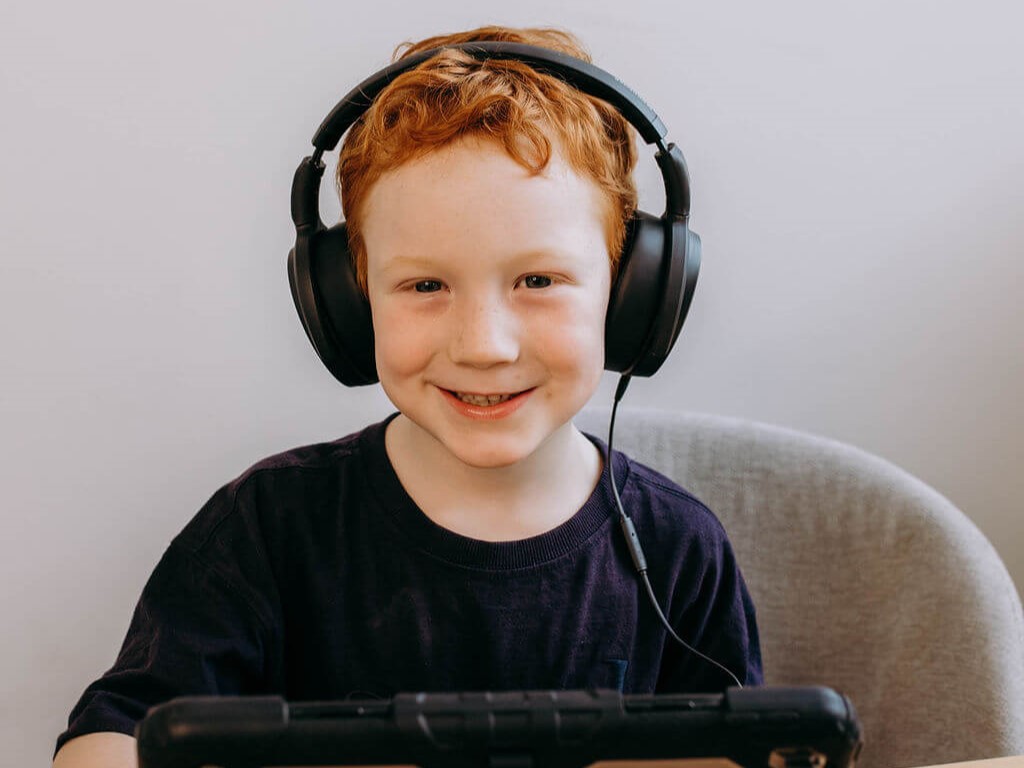
boy with auditory processing disorder

Auditory Processing Disorder (APD) is a neurological condition that affects how the brain processes and interprets auditory information. People with APD have normal hearing ability—their ears work perfectly fine—but their brain has difficulty making sense of the sounds they hear.

Coastal Audiology provides comprehensive APD assessment and evidence-based treatment for children and adults on the Gold Coast, throughout Queensland and Northern NSW. 

Our specialist audiologists use advanced diagnostic testing to identify auditory processing difficulties and develop personalised management strategies.

How is Auditory Processing Disorder Assessed?

Diagnosing APD requires a comprehensive assessment by an experienced audiologist. 

Hearing Assessment

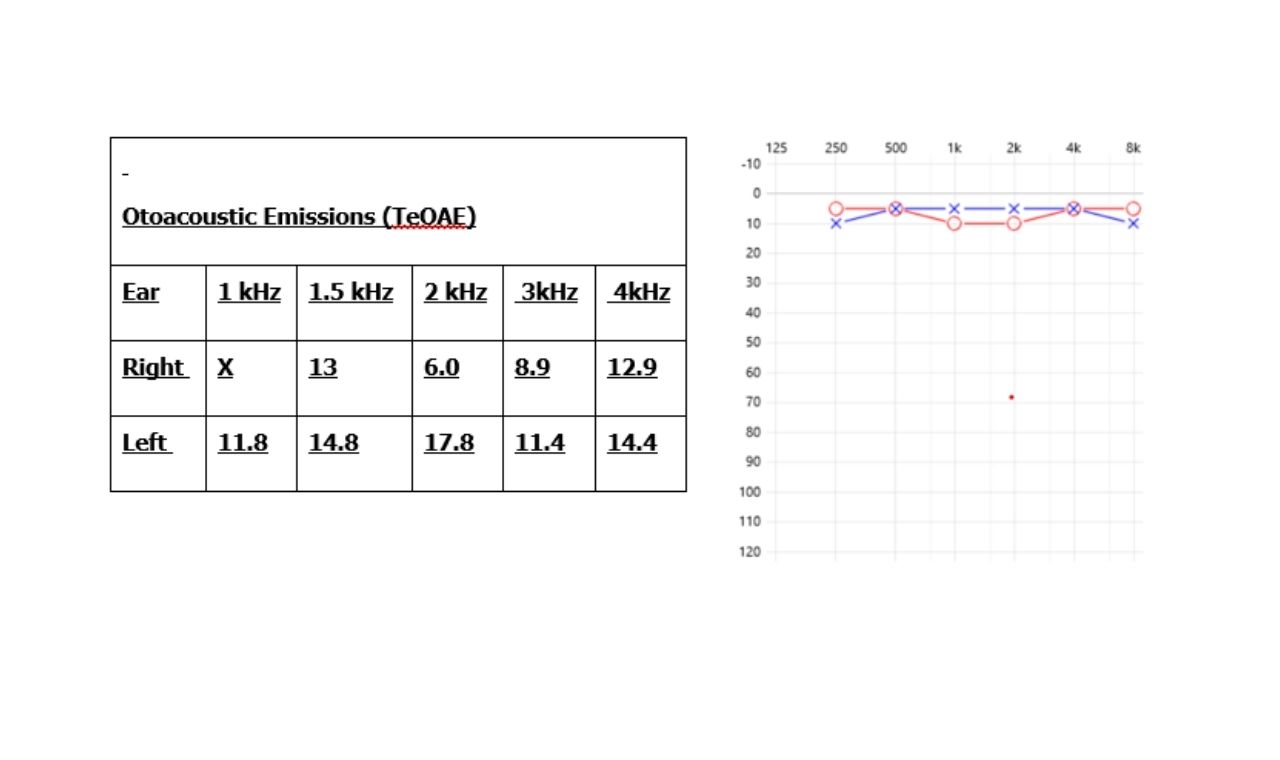
A complete hearing evaluation is performed to ensure peripheral hearing is normal. This includes pure-tone audiometry, speech testing, and middle ear assessment (tympanometry).   People with APD often pass this without any difficulties. We also perform extended high frequency audiometry to check for hidden hearing loss and whether sound sensitivities may be contributing to your auditory processing difficulties.
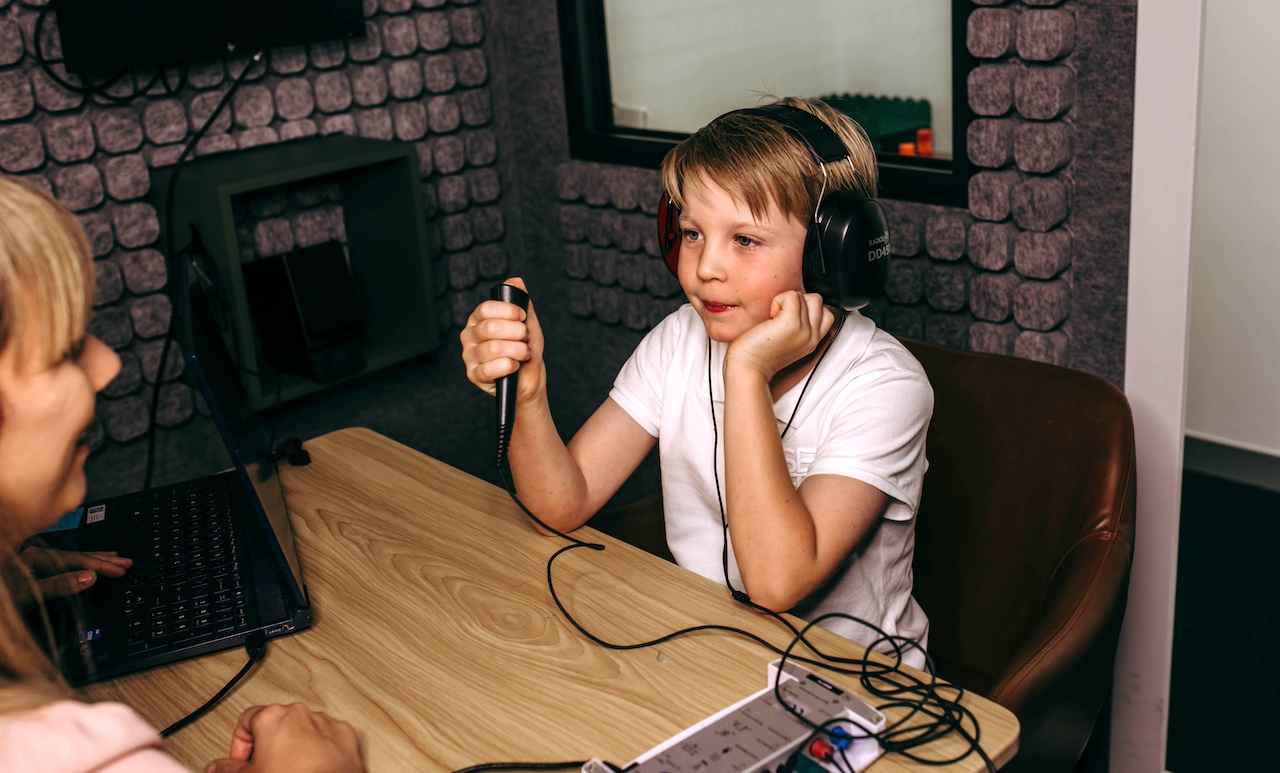
Young boy in a soundproof booth having a hearing test for auditory processing disorder

Specialised APD Testing

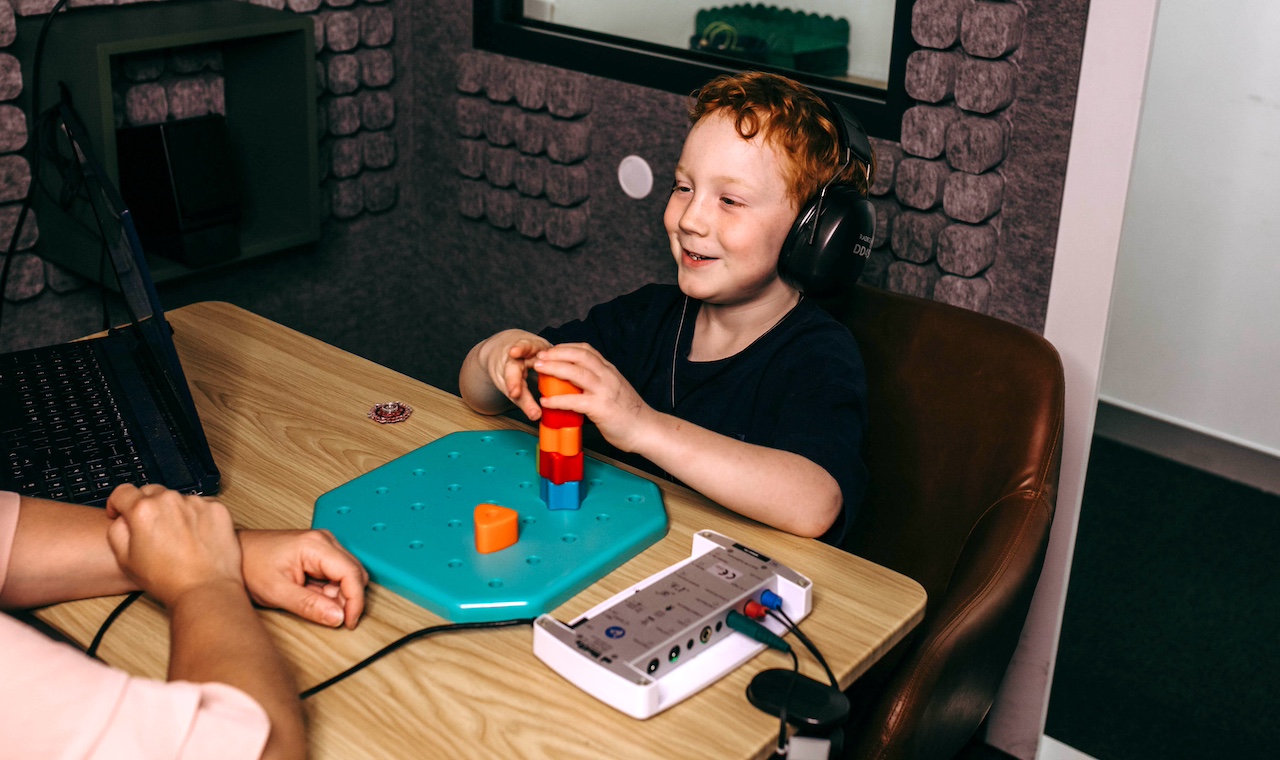
Our comprehensive APD assessment includes multiple tests examining different aspects of auditory processing: At Coastal Audiology we examine temporal processing, auditory discrimination, speech perception-in-noise, auditory closure, auditory integration and separation, and spatial processing. These are performed through age-appropriate tasks, with little ones we utilise pictures and app-based game.
Results & Diagnosis

Your audiologist analyses all test results to determine if an APD diagnosis is appropriate. They will identify specific areas of auditory processing weakness and discuss how these affect daily functioning.

Management Plan

You'll receive a detailed written report with findings, diagnosis, and personalised recommendations. The audiologist will organise a phone call to create an individualised management plan addressing specific auditory processing deficit.

How Do We Treat Auditory Processing Disorder

While there is no “cure” for APD, evidence-based interventions can significantly improve auditory processing abilities. Treating APD involves a combination of strategies to improve how the brain processes sound. There is no one-size fits-all solution, the treatment should be personalised to an individual’s specific challenges, needs and assessment outcomes.

Assisted Listening Devices

Assisted Listening Devices improve speech clarity by reducing background noise and the impact of distance and reverberation.

  • Remote Microphone Technology: Teacher/speaker wears a microphone that transmits directly to the student’s receiver, reducing background noise impact.

  • Low-Gain Hearing Aids: Unlike traditional hearing aids for hearing loss, these amplify sounds slightly and are often used to boost speech frequencies while reducing background noise.

Auditory Therapy

Coastal Audiology offers a 14 week therapy block that has shown to improve auditory deficits.

  • 1-1 therapy in clinic or through zoom. 

  • App based training – personalised app-based training that can be completed at home

  • In home training

Compensatory Strategies

Coastal Audiology provides tailored strategies for school and home environments that are specific to the individual’s needs.

Book your Auditory Processing Disorder assessment today

Table of Contents

Central auditory processing disorder is a neurological condition that affects the way our brain interprets and processes auditory information.

Simply put, auditory processing disorder (APD) causes a disruption in the way the brain understands what it is hearing.

Individuals with APD may have difficulty understanding spoken language, especially in noisy environments, or distinguishing between similar sounds. They may also have difficulty with reading and writing, and may have poor memory and attention skills. 

Often people with APD can have hearing test results within normal range despite having difficulty with hearing related tasks.

Consequently, APD can have a significant impact on a person’s academic and social life, but with proper diagnosis and treatment, many people can manage their symptoms and lead fulfilling lives.

What causes Auditory Processing Disorder? 

The exact cause of APD is unknown, but researchers believe it may be related to a disruption in the way the brain processes auditory information. Some children may be born with the condition, while others may develop it later in life due to a head injury, infection, or exposure to loud noise. 

Approximately 1 in 20 people have some type of auditory processing concerns.


Causes of APD can include:

  • Hereditary 
  • Developmental and birth related factors
  • Neurological deficits
  • Auditory deprivation – e.g. history of frequent middle ear disease (glue ear)


APD can occur with other disorders such as dyslexia, autism spectrum disorder (ASD), attention deficit hyperactivity disorder (ADHD), Global Developmental DelayIllness or trauma.  

It can also be accompanied by aging and hearing loss.

How is Auditory Processing Disorder diagnosed?

APD can be difficult to diagnose because it shares many symptoms with other learning and language disorders such as ADHD and Autism Spectrum Disorder. An accredited audiologist can perform a series of tests to evaluate a person’s auditory processing abilities and rule out other conditions.

What are the signs and symptoms of Auditory Processing Disorder?

The symptoms of APD can vary from person to person, but some common signs include:

  • Increased listening efforts in noisy environments such as a classroom
  • Difficulty following directions, especially multi-step directions
  • Poor memory skills
  • Difficulty with reading, writing and spelling
  • Sensitive to loud sounds/noise
  • Difficulty paying attention
  • Delayed language development
  • Slow to process information 
boy with APD

How is Auditory Processing Disorder treated?

There are various management and treatment options for someone diagnosed with APD. Treatment can help improve someone’s hearing ability so that they are no longer handicapped by APD. The appropriate management program will depend on the type of deficit that is diagnosed. 

Some of the APR treatment options include:

Auditory training: One on One therapy sessions with your Audiologist that helps improve the brain’s ability to process sound and improve listening skills.

App based training: There are a range of fun app based games that aim to improve listening deficits and strengthen neural pathways. 

Assisted Listening devices/Low gain hearing aids: Fitting of devices to assist hearing and improving hearing abilities over time. 

Involvement with other Allied Health:  Depending on the APD deficit speech and language therapy, music therapy and other tailored activities aid in strengthening listening deficits. 


Managing Auditory Processing Disorder

Auditory processing disorder is a complex condition that can have a significant impact on a person’s life. While there is no cure, there are many treatments and strategies that can help manage symptoms and improve quality of life.

Early diagnosis and intervention are key, as they can help prevent academic and social difficulties and promote better communication and listening skills.

Gold Coast APD Testing Specialist

Many Audiology centers perform general hearing tests and fit hearing aids but not all provide APD testing.  It is important to find an Audiologist that performs the testing and provides a tailored treatment plan. At Coastal Audiology we tailor our assessments and treatment based on the individual need of the person. A series of tests are performed to evaluate the persons auditory processing abilities and provide an individualised treatment plan.

If you or someone you know is struggling with auditory processing, it’s important to seek help from a qualified audiologist.