

Table of Contents
What Is Glue Ear?
As a parent, watching your child struggle with hearing difficulties can be concerning and overwhelming. If your child has been diagnosed with glue ear, or if you suspect they might have this condition, understanding what it means and how to help is crucial for their development and well-being.
Glue ear is one of the most common childhood hearing conditions, and while it can be worrying, it’s important to know that it’s highly treatable and often resolves on its own.
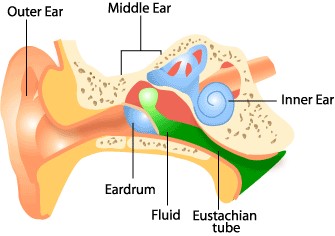
Glue ear, medically known as otitis media with effusion (OME), occurs when thick, sticky fluid accumulates in the middle ear space behind the eardrum. Unlike a typical ear infection, glue ear usually isn’t painful and doesn’t cause fever. The fluid acts like a barrier, preventing sound waves from traveling properly through the ear, which results in temporary hearing loss.
The condition gets its name because the fluid trapped in the middle ear has a thick, glue-like consistency. This fluid can persist for weeks or even months, significantly affecting your child’s ability to hear clearly. While the hearing loss is temporary and reversible, it can have important implications for your child’s speech development, learning, and behaviour if left untreated for extended periods.
Glue ear is incredibly common in children, with studies showing that about 80% of children will experience at least one episode before age three. Most cases occur between six months and two years of age, though it can affect children up to age eight or nine.
Recognising the Signs and Symptoms
Since glue ear typically doesn’t cause pain or fever, it can be challenging to detect. However, there are several signs that parents should watch for. The most obvious indicator is hearing difficulty. Your child might not respond when you call their name, frequently ask “what?” or “pardon?”, or need the television volume turned up higher than usual.
Speech and language changes are common early signs. Your child might speak more loudly than necessary, have difficulty pronouncing certain sounds clearly, or seem to have regressed in their speech development. They may also appear to be ignoring instructions or seem inattentive, when in reality they simply can’t hear properly.
Behavioural changes often accompany glue ear. Children might become more withdrawn or frustrated, especially in noisy environments where hearing is already challenging. Some children become clingier or more irritable than usual. At school, teachers might notice that your child isn’t participating as much in group activities or seems distracted during lessons.
Physical symptoms can include a feeling of fullness in the ears, occasional mild ear discomfort (though not the severe pain associated with ear infections), and sometimes balance problems. Some children report feeling like their ears are “blocked” or describe sounds as being muffled.
Understanding the Causes
Glue ear develops when the Eustachian tube, which connects the middle ear to the back of the throat, becomes blocked or doesn’t function properly. In children, these tubes are shorter, narrower, and more horizontal than in adults, making them more prone to blockage.
Common causes of Eustachian tube dysfunction include upper respiratory infections like colds or flu, allergies, enlarged adenoids, and exposure to cigarette smoke. Bottle-feeding while lying flat can also contribute to the problem, as can using pacifiers for extended periods.
Some children are simply more prone to developing glue ear due to their anatomy. Those with cleft palate, Down syndrome, or other craniofacial abnormalities have a higher risk. Children who attend daycare or have older siblings are also more likely to develop the condition due to increased exposure to respiratory infections.
Seasonal factors play a role too. Glue ear is more common during winter months when colds and flu are prevalent. Changes in air pressure, such as during air travel, can also trigger or worsen the condition.
The Impact on Child Development
While glue ear might seem like a minor condition, its effects on child development can be significant, particularly if it persists for extended periods. Hearing is crucial for speech and language development, and even mild hearing loss during critical developmental periods can have lasting effects.
Children with untreated glue ear may experience delays in speech development, difficulty learning new words, and problems with pronunciation. They might struggle with phonics and reading skills, as these require the ability to distinguish between similar sounds.
Academic performance can suffer, particularly in classroom settings where children need to hear instructions clearly. Your child might miss important information, struggle to follow along with lessons, or appear inattentive when they’re actually experiencing hearing difficulties.
Social development can also be affected. Children with hearing difficulties may withdraw from group activities, have trouble making friends, or become frustrated in social situations. This can impact their self-esteem and confidence.
Treatment Options and Management
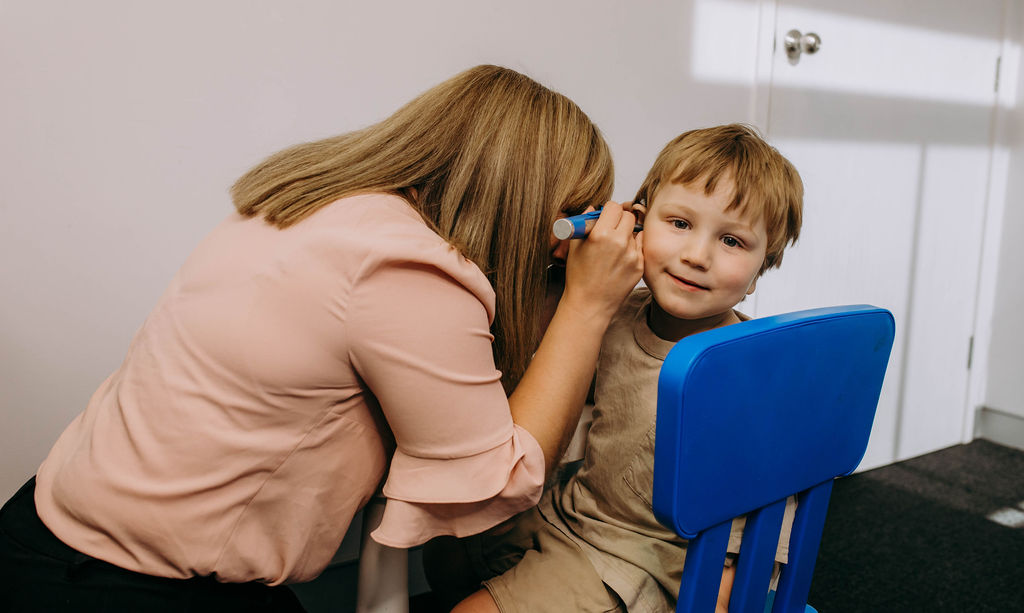
The good news is that glue ear often resolves on its own without treatment. In many cases, the fluid drains naturally as the child’s Eustachian tubes mature and become more effective. However, monitoring is essential to ensure the condition doesn’t persist and affect development.
For mild cases, your healthcare provider might recommend a “wait and see” approach, with regular check-ups to monitor the condition. During this time, there are several things you can do at home to help your child cope and potentially speed recovery.
When medical intervention is necessary, several treatment options are available. Hearing aids can provide immediate relief for children with significant hearing loss while waiting for the condition to resolve. These are particularly useful for children with persistent glue ear affecting both ears.
For persistent cases that don’t resolve on their own, surgical intervention might be recommended. The most common procedure involves inserting tiny tubes (grommets) through the eardrum to allow fluid to drain and air to enter the middle ear. This outpatient procedure is highly effective and typically provides immediate improvement in hearing.
Supporting Your Child at Home
There are many ways you can help your child cope with glue ear and support their development during treatment. Communication strategies are particularly important. When speaking to your child, make sure you have their attention first by touching their shoulder or saying their name. Face them when speaking so they can see your lips and facial expressions, which provide important visual cues.
Speak clearly and at a normal volume – shouting can actually make it harder for them to understand. Use simple, clear sentences and give them time to process what you’ve said. If they don’t respond, try rephrasing rather than simply repeating the same words.
Minimise background noise when possible. Turn off the television when having conversations, choose quieter areas in restaurants, and create calm environments for homework or important discussions. Position your child so they can see the speaker’s face during story time or when giving instructions.
Reading together regularly is especially important for children with glue ear. This helps with language development and ensures they don’t fall behind in vocabulary and comprehension skills. Choose books with pictures that support the text and encourage your child to ask questions about what you’re reading.
Supporting Your Child at School
Communication with your child’s school is crucial when dealing with glue ear. Teachers need to understand that your child has a temporary hearing impairment that affects their ability to participate fully in classroom activities.
Work with teachers to implement classroom strategies that support your child’s learning. This might include seating your child near the front of the classroom, away from noisy areas like air conditioning units or high-traffic zones. Teachers can also use visual cues along with verbal instructions and check for understanding more frequently.
If your child’s glue ear is persistent, you might need to discuss formal accommodations or support services. Some children benefit from assistive listening devices in the classroom, extra time for processing instructions, or written copies of important information.
Keep teachers informed about your child’s treatment progress and any changes in their hearing status. This helps ensure that support continues as needed and can be adjusted as your child’s condition improves.
When to Seek Professional Help
While glue ear often resolves on its own, there are certain situations where professional intervention is necessary. If your child shows signs of hearing loss that persist for more than three months, or if the hearing loss is significant enough to affect their daily functioning, it’s time to consult with an audiologist or ENT specialist.
Speech and language delays or regression should always be evaluated promptly. If your child’s speech development seems to be slowing down or if they’re having difficulty with pronunciation, professional assessment can help determine if glue ear is contributing to these issues.
Behavioural changes that persist or worsen, such as increased frustration, withdrawal from activities, or academic difficulties, warrant professional attention. These signs might indicate that the hearing loss is having a significant impact on your child’s development.
Frequent ear infections alongside glue ear, severe balance problems, or any signs of pain or discomfort should be evaluated by a healthcare provider. While glue ear itself typically isn’t painful, these symptoms might indicate complications or other conditions that need treatment.
Prevention Strategies
While it’s not always possible to prevent glue ear, there are steps you can take to reduce your child’s risk. Reducing exposure to upper respiratory infections can help – this includes regular hand washing, avoiding sick individuals when possible, and ensuring your child receives recommended vaccinations.
Breastfeeding, when possible, can help boost your child’s immune system and reduce the risk of respiratory infections. If bottle-feeding, avoid feeding your baby while they’re lying flat, as this can contribute to Eustachian tube problems.
Minimise exposure to cigarette smoke, as this increases the risk of respiratory infections and Eustachian tube dysfunction. Create a smoke-free environment in your home and car.
Managing allergies effectively can also help reduce the risk of glue ear. If your child has seasonal allergies or other allergic conditions, work with your healthcare provider to develop an appropriate treatment plan.
Long-term Outlook and Prognosis
Most children with glue ear recover completely without any lasting effects on their hearing or development. Most cases resolve naturally as children grow and their Eustachian tubes mature and become more effective at draining fluid.
Even in cases where treatment is necessary, the prognosis is excellent. Surgical interventions like grommet insertion have high success rates and typically provide immediate improvement in hearing. Most children who receive grommets experience normal hearing and development following treatment.
With proper monitoring and treatment, when necessary, glue ear rarely causes permanent hearing loss or long-term developmental problems. The key is early detection and appropriate intervention when needed.
Moving Forward with Confidence
Dealing with glue ear can be stressful for parents, but remember that this is a common, treatable condition with an excellent prognosis. Your awareness and advocacy for your child’s needs are crucial components of their care.
Stay in regular communication with your child’s healthcare providers, monitor their development closely, and don’t hesitate to seek help when you have concerns. With proper support and treatment when necessary, children with glue ear can develop normally and achieve their full potential.
Most importantly, remember that glue ear is temporary. With patience, appropriate care, and professional support when needed, your child will likely recover completely and move forward with normal hearing and development.
If you’re concerned about your child’s hearing or suspect they might have glue ear, don’t hesitate to contact our audiology team. We specialise in paediatric hearing conditions and are here to provide the assessment, treatment, and support your child needs.