
A hearing test should do more than tell you whether you can hear a beep. The purpose of a comprehensive audiology assessment is to understand how your hearing system is functioning, how any difficulty affects everyday communication, and what should happen next.
If you are comparing local care options first, read How to Choose an Audiologist on the Gold Coast.
1. The conversation comes first
Your audiologist will usually begin by asking why you booked the appointment. That history matters because testing should be chosen to answer a real clinical question. Difficulty hearing television, trouble following speech in restaurants, tinnitus, blocked ears, recurrent infections and sudden changes do not all point to the same issue.
2. The ears are examined
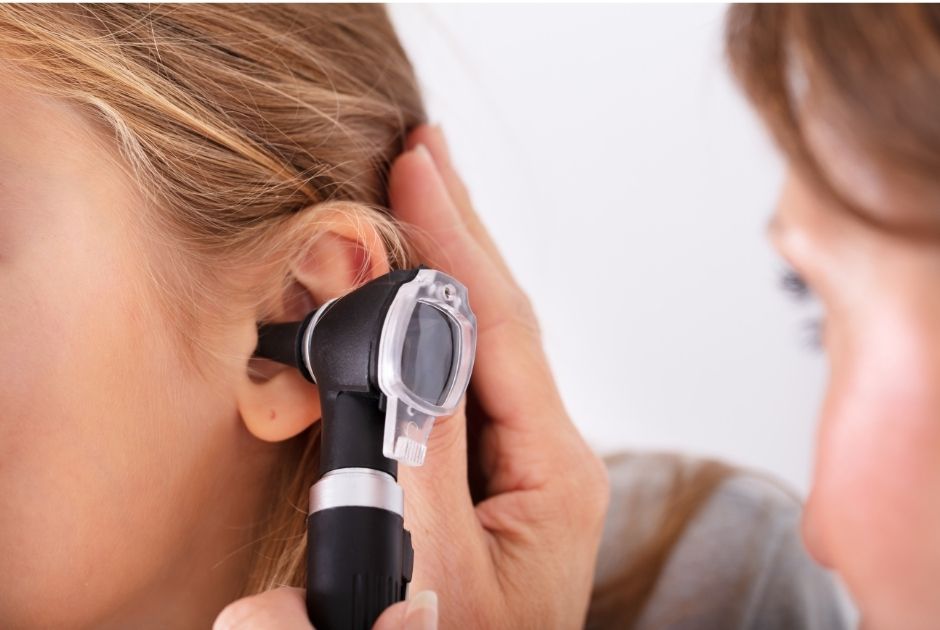
An ear examination helps identify visible issues such as wax, irritation or other conditions that may affect testing or require a different next step. A blocked feeling is not automatically hearing loss, and earwax is not automatically the cause.
Coastal provides hearing services and ear care from its Nerang clinic.
3. Hearing sensitivity is measured
Pure-tone testing measures the softest sounds you can detect at different pitches. The results help show whether hearing is within expected limits and, if hearing loss is present, its pattern and degree.
These results are important, but they are only one part of understanding how someone communicates in everyday life.
4. Middle-ear function may be checked
Depending on the reason for the appointment, middle-ear testing may help assess how the eardrum and middle-ear system are functioning. This can be particularly relevant when there is a history of ear infections, pressure, blocked sensations or fluctuating hearing.
5. Speech testing adds real-world information
Speech testing can help show how clearly words are understood. For some people, the main complaint is not that sound is too soft. It is that speech is unclear, particularly when there is background noise.
If that sounds familiar, read I Can Hear People, But I Cannot Understand Them.
6. The results should be explained, not just printed
A useful appointment ends with an explanation. You should understand what the tests found, whether they answer the concern that brought you in, what remains uncertain, and what options are reasonable.
The next step may be monitoring, communication strategies, medical referral, hearing aids, specialist assessment or another form of management. Not every hearing test ends with a device recommendation.
When should you book a hearing test?
Common reasons include changes in television volume, asking for repetition, difficulty in groups, tinnitus, a blocked sensation, family concern or simply wanting a baseline. See When Should an Adult Have a Hearing Test? for a fuller list.
Book a hearing assessment in Nerang
Coastal Audiology is based at G3, 15 Station Street, Nerang QLD 4211 and provides hearing assessment and related audiology services for children and adults.
You can book online or contact Coastal Audiology if you are unsure which appointment fits your concern.
Frequently asked questions
How long does a hearing test take?
Appointment length depends on the type of assessment and the clinical question. Ask the clinic when booking so enough time is reserved for the testing you need.
Does a hearing test hurt?
Standard hearing testing is non-invasive. If a particular test may cause temporary discomfort or dizziness, the clinician should explain that before proceeding.
Can I have normal hearing but still struggle in noise?
Yes. A standard audiogram does not describe every aspect of real-world listening. Persistent speech-understanding difficulty may justify further discussion or testing.
Should I remove earwax before a hearing test?
Do not try to remove wax with objects such as cotton buds. If wax is likely to interfere with testing, the clinician can advise on appropriate management.